Local gardeners serving High Street North and Wanstead Flats
If you're looking for local gardeners serving High Street North and Wanstead Flats, you're probably after more than a quick mow-and-go. You want someone who understands London gardens in all their odd little shapes, knows how weather, shade, and footfall affect growth, and can turn a tired outdoor space into something you actually enjoy using. That might mean regular maintenance, hedge work, a full clearance, or a smarter seasonal plan. Either way, the best garden help feels practical, local, and easy to trust.
This guide breaks down what local gardening support usually includes, how the service works, what to watch out for, and how to choose the right approach for your space. We'll also cover useful best practice, common mistakes, and a simple checklist so you can make a sensible decision without faffing about.
Table of Contents
- Why local gardening support matters here
- How the service works in practice
- Key benefits and practical advantages
- Who this is for and when it makes sense
- Step-by-step guidance
- Expert tips for better results
- Common mistakes to avoid
- Tools, resources and recommendations
- Law, compliance, standards and best practice
- Options, methods and comparison table
- Case study or real-world example
- Practical checklist
- Conclusion
- Frequently asked questions
Why local gardening support matters here
High Street North and Wanstead Flats sit in a part of East London where gardens can vary wildly: compact town gardens, shared front spaces, mature hedging, narrow access, shaded borders, and lawns that seem to have a personal grudge against staying level. That variety matters. A gardener who works locally understands the practical side of those conditions, not just the plants themselves.
Local gardening support is valuable because it combines speed, familiarity, and consistency. A nearby team can usually schedule visits more efficiently, notice seasonal changes earlier, and adapt to the realities of your property. If a border gets waterlogged after a wet spell, or a hedge starts encroaching just as nesting season approaches, local experience helps guide the right next step rather than guessing.
There's also the simple matter of communication. You don't want to be explaining access details, bin storage, or awkward side passages from scratch every time. A local gardener who knows the area can often work more smoothly from the first visit. To be fair, that saves a lot of back-and-forth.
For many households, the real issue isn't whether gardening is needed. It's how to keep on top of it without letting the space slide into a weekend chore that never ends. That's where regular maintenance, sensible planning, and reliable local support start to matter.
How local gardening support works in practice
The process is usually straightforward, though the best services keep it flexible. It starts with a look at the garden and a conversation about what you want to change, maintain, or completely clear. Some gardens just need tidy-up work. Others need a more structured plan involving lawn care, hedge trimming, seasonal pruning, or soft landscaping.
A typical visit might include a mix of the following:
- grass cutting and edging
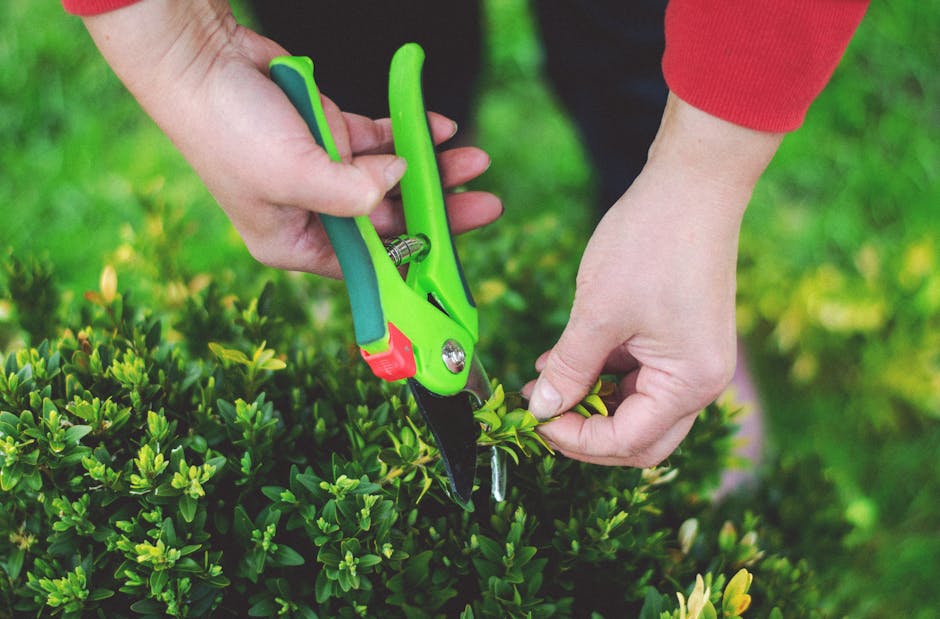
- hedge trimming and shape correction
- border weeding and bed tidying
- leaf clearance and green waste removal
- planting advice or replacement suggestions
- light landscaping improvements
- safe removal of overgrown, damaged, or unwanted growth
If the garden needs a broader reset, a service such as garden clearance can be the right starting point. For ongoing upkeep, garden maintenance is often the better fit because it keeps things manageable rather than letting the work pile up.
It often helps to think in layers. First, make the space safe and usable. Then make it tidy. Then improve the look. That order sounds obvious, but people skip it all the time and end up redoing work later. Bit of a classic, really.
Good gardeners also work around seasonality. In spring, the focus tends to be on recovery and growth. In summer, it's about water management, mowing, and controlling pace. In autumn, leaf fall and cutbacks become the priority. Winter is often when structural jobs, planning, and heavier clearances fit best.
Key benefits and practical advantages
When done properly, local gardening support gives you more than a neat lawn. It gives you control, continuity, and confidence that the space won't become a burden.
Here are the main benefits:
- Better time savings: You avoid spending whole weekends catching up on jobs that a professional can complete efficiently.
- Improved presentation: A tidy frontage and healthy garden can make the whole property feel better cared for.
- Healthier plants and lawns: Regular attention prevents small issues from becoming expensive recoveries.
- Safer access: Overgrown paths, slippery surfaces, and obstructive growth can all be reduced.
- More predictable costs: Maintenance is usually easier to plan than emergency tidying after months of neglect.
- Local knowledge: A gardener who works in the area will often understand common soil conditions, shade patterns, and access limitations.
There's also a quieter benefit that people don't always mention: peace of mind. You stop looking at the garden and feeling that little knot of guilt. That matters. A lot.
If the work involves decorative improvements, border reshaping, or more ambitious changes, services such as landscape gardening and landscaping can help move the garden from maintenance mode into a genuinely usable outdoor room.
Who this is for and when it makes sense
This kind of service suits a wide range of people, and honestly, that's part of why it works so well in busy London neighbourhoods.
- Homeowners: If you want your garden kept tidy without losing your whole Saturday to it.
- Landlords and managing agents: Useful when outdoor spaces need to be presentable between tenancies or before viewings.
- Older residents: A safer option when heavy lifting, ladder work, or repeated bending is no longer ideal.
- Busy families: Particularly when the garden has slipped down the list behind work, school runs, and life.
- People preparing to sell or rent: A cleaner outdoor space can make a strong first impression, even if the garden itself is modest.
- Anyone dealing with overgrowth: If weeds, brambles, or thick hedges are taking over, it's usually time to bring in help.
It makes sense when the garden is no longer a simple upkeep job. If you can't finish it in an hour or two, if you don't have the right tools, or if the waste would take multiple trips to sort out, local help is probably the calmer option.
And for those times when branches are getting too close to fences, windows, or overhead spaces, tree lopping and removal may be part of a broader, carefully planned solution.
Step-by-step guidance
If you're hiring local gardeners for the first time, the process is easier when you know what to expect. Here's a practical way to approach it.
- Walk the garden first. Make a note of what bothers you most. Is it the lawn, the hedges, the front path, the waste, or just the general mess?
- Decide what outcome matters most. Do you want a one-off tidy, a full reset, or ongoing maintenance? That answer changes everything.
- Take a few photos. This helps describe the work clearly, especially if access is tight or the garden has several problem areas.
- Separate urgent issues from cosmetic ones. Safety, access, and structural problems should usually come first.
- Ask what's included. Clarify waste removal, edging, planting, trimming height, and whether tools and fuel are included in the quotation.
- Check how the team handles waste. If green waste is being removed, ask about recycling and disposal practices.
- Set a realistic maintenance rhythm. Monthly, seasonal, or ad hoc visits all work differently. Pick what you'll actually stick to.
One useful rule: don't start with fancy improvements if the basics aren't under control. A smart border looks better when the lawn is cut and the edges are crisp. It sounds obvious, but the garden will thank you for it.
If you're not sure how much work the space needs, a clear quote process can help you compare the scope properly. You can review pricing and quotes before making a decision, which is usually the least stressful way to do it.
Expert tips for better results
In our experience, the best garden results usually come from clear priorities and small, consistent decisions. Not dramatic overhauls. Not random weekend attacks with a pair of blunt shears either.
Useful expert tips:
- Work from the edges inward. Borders, fences, hedges, and paths define the structure of the garden. Sort those and the space instantly feels tidier.
- Keep mowing realistic. Cutting grass too short can stress it, especially in dry or patchy conditions. A steady cut is usually better than a harsh one.
- Trim hedges before they become a problem. Regular hedge trimming is easier than trying to rescue an overgrown wall of green later.
- Think about drainage and shade. Wanstead Flats and surrounding streets can present gardens with mixed light and moisture patterns. That affects plant choice and lawn health.
- Leave room for access. If you can't move comfortably around the garden, the jobs become harder and slower for everyone.
- Schedule the messy jobs together. If you're clearing waste, pruning, and reshaping beds, it often makes sense to do them in one coordinated visit.
If the garden has a lot of hard edges, a tired patio, or you're trying to connect indoor and outdoor living more neatly, a deck or paved area may be worth considering later on. That's where decking services can become part of a longer-term plan rather than a one-off fix.
Small advice, but important: don't overfeed a struggling garden just because it looks weak. Often, the issue is pruning, drainage, compaction, or simply neglect. Feed the right problem, not the loudest one.
Common mistakes to avoid
Most garden headaches come from a few repeat mistakes. The good news? They're all avoidable.
- Letting the garden get too far behind. A little regular work is always easier than a heroic rescue mission.
- Choosing services without defining the outcome. "Tidy it up" can mean five different things to five different people.
- Ignoring waste volume. Garden waste adds up quickly. Bags, branches, and clippings can overwhelm you if the clearance plan is vague.
- Assuming every gardener offers the same scope. Some focus on maintenance, others on landscaping or larger structural changes.
- Forgetting access details. Narrow gates, rear access, parking, and storage space all affect how a job is priced and delivered.
- Skipping safety checks. Anything involving height, heavy branches, or machinery deserves a careful approach.
A surprisingly common issue is asking for a one-off job when the real need is a simple schedule. For example, if the hedge keeps springing back, or the lawn keeps looking shaggy after three weeks, then regular lawn mowing and recurring maintenance will probably serve you better than occasional big clean-ups.
And yes, the "I'll just do it next weekend" strategy has defeated many a good garden plan. No judgement. It happens.
Tools, resources and recommendations
You don't need to own a van full of kit to make sensible decisions about your garden. But it helps to understand what good work usually relies on.
Common useful tools and materials include:
- sharp shears and hedge trimmers for clean cuts
- mowers with adjustable height settings
- rakes, brooms, and leaf collectors for end-of-job tidying
- secateurs and pruning saws for smaller woody growth
- gloves, eye protection, and sturdy footwear for basic safety
- barrows, sacks, and collection containers for waste handling
Helpful recommendations when planning work:
- Take before-and-after photos so you can judge whether the work meets your expectations.
- Keep a short list of recurring tasks: mowing, hedge cutting, seasonal clearances, and border refreshes.
- Ask whether the team can align with recycling or greener disposal practices where possible.
- Check whether payment terms are clear before the work begins, especially for larger jobs.
For households that care about waste handling and re-use, recycling and sustainability is worth reviewing. It helps set expectations around green waste and responsible disposal, which is increasingly part of good service rather than an optional extra.
If you want a broader view of the available work types, services overview is a sensible place to understand how maintenance, clearance, landscaping, and specialist jobs fit together.
Law, compliance, standards and best practice
Garden work is not always complicated from a legal perspective, but there are still sensible standards to follow. If a job involves ladders, power tools, heavy lifting, or working near boundaries and shared access, safety should be taken seriously. That's just common sense, though common sense is apparently not always common.
In the UK, good practice usually means:
- using suitable equipment for the task
- working safely around children, pets, and pedestrians
- handling waste responsibly
- being clear about the scope of work and any exclusions
- keeping communication straightforward if conditions change on site
Insurance and risk control also matter. If a provider is working on your property, you want confidence that they understand basic safeguards and can operate in a careful, organised way. A helpful starting point is to review their insurance and safety information alongside their health and safety policy. That doesn't just tick a box; it tells you whether the business takes the job seriously.
It's also fair to look at the service terms before work begins. Clear expectations around deposits, cancellations, access, and completion standards reduce misunderstandings later. That's exactly the sort of thing the terms and conditions should make plain.
One more practical point: if a job looks like it may involve significant tree work, large branch removal, or structural risk, don't guess your way through it. Ask for a proper assessment. It's better to pause than to create a bigger problem with a quick cut in the wrong place.
Options, methods and comparison table
Not every garden needs the same approach. Some just need routine upkeep. Others need recovery work first, then maintenance. Here's a simple comparison to help you think it through.
| Option | Best for | Typical work involved | Main advantage |
|---|---|---|---|
| One-off tidy-up | Gardens that have slipped behind but are otherwise manageable | Basic clearing, mowing, cutting back, removal of visible waste | Fast way to get the space back under control |
| Regular maintenance | Homes that need ongoing control and predictable results | Scheduled mowing, hedge trimming, edging, seasonal upkeep | Keeps the garden from becoming a bigger job later |
| Clearance first, then upkeep | Overgrown or neglected gardens | Heavy cutback, clearance, then routine visits | Best for full resets and long-term stability |
| Landscape improvement | Gardens that need structural or visual upgrades | Reworking borders, paths, features, or layout | Improves how the space looks and functions |
If you're deciding between maintenance and a larger refresh, ask yourself one question: do you want to keep the garden healthy, or do you want to change the garden's structure? Different goals, different approach.
Case study or real-world example
Imagine a narrow rear garden off High Street North. The lawn has thinned out, the hedge is leaning into the walkway, and a few months of leaf fall have collected into the corners. Nothing dramatic. Just enough to feel annoying every time you look outside.
A sensible first visit would focus on access, waste, and the jobs that unlock the rest of the space. The hedge is cut back to a manageable line. The lawn is trimmed and edged. Loose debris is removed. The borders are cleared enough to show what's actually growing and what's just gone wild. After that, the garden looks smaller at first glance, but in a better way - calmer, neater, easier to use.
Then, rather than waiting until it gets messy again, the homeowner sets a seasonal maintenance rhythm. The difference is noticeable within a few weeks. The space becomes less of a problem and more of a habit.
That's the bit people often underestimate. Once a garden is under control, keeping it that way takes much less effort. Not zero effort, obviously. Gardens are alive, after all. But the work becomes manageable instead of overwhelming.
Practical checklist
Use this checklist before you book work or agree a plan:
- Have I identified the main problem areas clearly?
- Do I want a one-off job, regular maintenance, or a full reset?
- Have I checked whether access is straightforward?
- Do I know what should happen to the waste?
- Have I asked what is included in the quote?
- Is there any urgent safety issue, such as overhanging branches or blocked paths?
- Do I want a simple tidy or a longer-term improvement plan?
- Have I looked at the provider's trust and policy pages, including safety and payment information?
- Am I comparing like-for-like services rather than just the headline price?
- Do I understand how often the garden will need attention after the first visit?
Expert summary: The best garden service is not the one that does the most in one visit. It's the one that solves the right problem, in the right order, and leaves you with a space that is easier to live with week after week.
Get a free quote today and see how much you can save.
Conclusion
Local gardeners serving High Street North and Wanstead Flats can make a huge difference when a garden needs more than a quick tidy. They bring practical knowledge, nearby availability, and a better sense of what works in local conditions. That combination matters, especially when space is tight, growth is uneven, or the garden has been left a bit too long.
The best results usually come from simple thinking: define the problem, choose the right service, ask clear questions, and keep the work on a realistic schedule. Do that, and the garden stops feeling like a burden. It becomes part of the home again. A proper part, not an afterthought.
And that, truth be told, is what most people are really looking for - a garden that feels calm, cared for, and easy to enjoy on an ordinary Tuesday evening.
Frequently Asked Questions
What do local gardeners serving High Street North and Wanstead Flats usually do?
They typically handle mowing, hedge trimming, garden clearance, border tidying, waste removal, and broader maintenance. Some also offer landscaping or improvement work if the garden needs more than routine care.
How often should a garden in this area be maintained?
That depends on the size of the garden, the growth rate, and how much shade or exposure it gets. Many gardens benefit from regular visits through the growing season, while some only need seasonal work plus occasional tidy-ups.
Is a one-off garden clearance enough for an overgrown garden?
Sometimes it is, especially if the main issue is clutter or seasonal build-up. But if the garden grows back quickly or has been neglected for a long time, ongoing maintenance usually gives better long-term value.
What should I ask before hiring a gardener locally?
Ask what is included, how waste will be handled, whether the quote covers all labour and materials, and how access or parking affects the job. It's also sensible to ask about safety and insurance.
Do local gardeners take away green waste?
Often, yes. But it's best to confirm before the work starts, because removal and disposal are not always included automatically. The waste plan should be clear from the beginning.
Can gardeners help if my hedge is too tall or messy?
Yes, hedge trimming is a common request. If the hedge is very large, awkward, or close to boundaries, it may need a more careful approach. Overgrown hedges are best dealt with before they become a much bigger job.
What's the difference between gardening and landscaping?
Gardening usually means maintaining plants, lawns, hedges, and general tidiness. Landscaping is broader and can include structural changes, layout improvements, decking, borders, and new garden features.
How do I know if I need lawn mowing or a full garden maintenance visit?
If the grass is the main issue and everything else is under control, mowing may be enough. If there are weeds, hedges, edging, debris, or seasonal work to do as well, maintenance is probably the better option.
Are there safety concerns with garden work?
Yes, especially with ladders, tools, branches, and uneven ground. Good providers should work carefully, manage risks sensibly, and explain any limits if the job becomes more complex than expected.
What should a good gardening quote include?
A good quote should describe the scope of work clearly, note whether waste removal is included, mention any access issues, and make the pricing structure easy to understand. If something is excluded, that should be stated plainly.
When is the best time of year to book garden work?
It depends on the task. Spring and summer are common for maintenance and mowing, while autumn suits leaf clearance and tidy-ups. Larger cutbacks or planning work can often be more comfortable in cooler months, depending on conditions.
How can I keep a garden easier to manage after the first visit?
Set a simple routine, focus on the high-impact jobs first, and don't let small issues sit for too long. A regular schedule for mowing, hedge trimming, and seasonal tidying usually keeps things much more manageable.